
Not sure whether your roof needs a simple repair or a full replacement? Here are the key signs homeowners should look for.
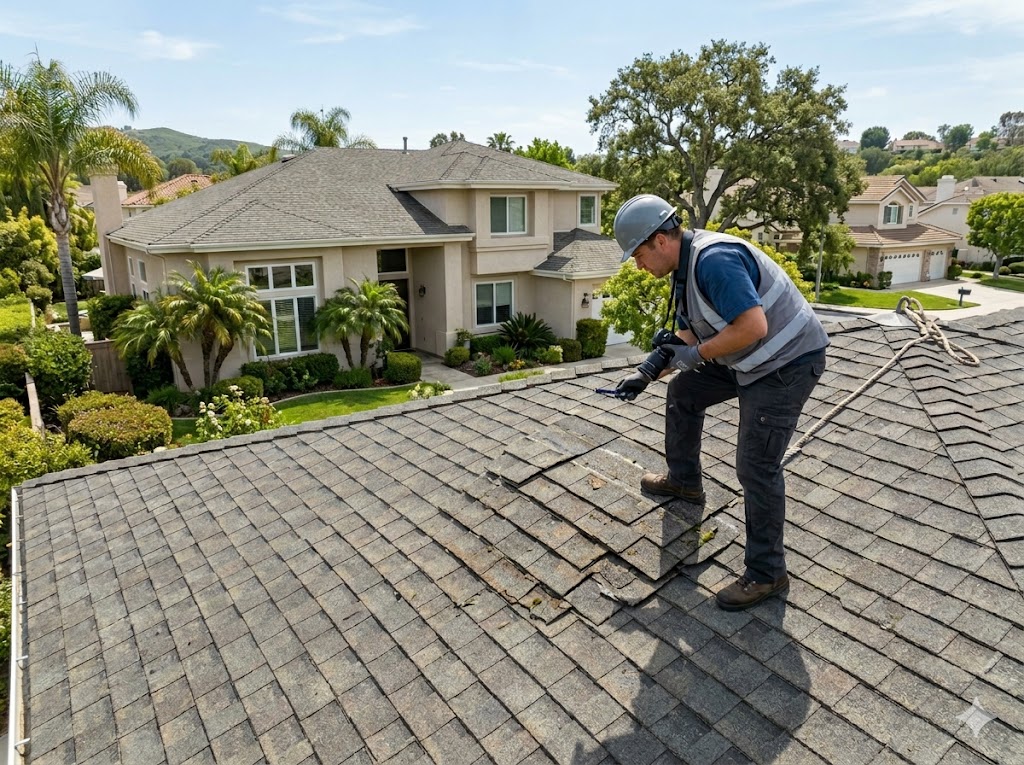
If you have noticed leaks, missing shingles, or signs of age on your roof, you may be wondering whether a repair is enough or if it is time for a full replacement.
This is one of the most common questions homeowners ask, especially after heavy rain, wind, or when a roof starts showing visible wear. In some cases, a targeted repair can solve the problem. In others, putting more money into repeated repairs only delays the need for a new roof.
Here is how to tell the difference.
A roof repair is often the right choice when the problem is isolated and the rest of the roof is still in good condition.
You may only need a repair if:
In these situations, repairing the damaged area can often restore protection and extend the life of the roof.
A full replacement is usually the smarter long-term choice when the roof has widespread wear or repeated issues.
Signs you may need a full replacement include:
If problems keep coming back, a replacement may save you more money over time than continuing to patch an aging system.
Some roof issues are easy to overlook at first, but they can point to larger hidden damage.
Watch for:
Even small symptoms can mean water is already getting into the system.
Even if your roof is not actively leaking today, age still matters.
As roofing materials get older, they become less reliable and more vulnerable to weather, UV exposure, and normal expansion and contraction. A roof that has already reached the end of its useful life may not be worth investing in with repeated repairs.
That does not mean every older roof must be replaced immediately, but age is always an important factor when deciding between repair and replacement.
From the ground, many roofing problems look smaller than they really are.
A professional inspection can help determine:
This makes it easier to choose the most cost-effective option with confidence.
If your roof has one localized issue, a repair may be all you need. But if the roof is older, leaking in multiple areas, or showing widespread wear, a full replacement may be the safer and more economical investment.
The key is catching the problem early before minor damage turns into major interior repairs.
If you are unsure which option makes sense for your home, a professional inspection can help you understand the condition of your roof and the best next step.